

Understanding Animal Pain: Acute vs. Chronic Pain in Cats
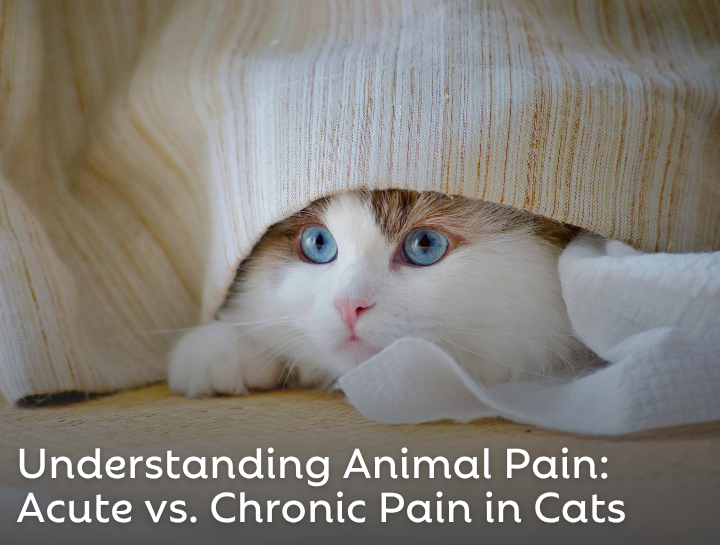
September marks Animal Pain Awareness Month, a dedicated time to focus on recognizing, managing, and relieving discomfort in our feline companions.
Because our cats cannot tell us where it hurts, identifying pain relies on observing subtle changes in their body language, routines, and behavior. Pain in pets generally falls into two distinct categories: acute and chronic pain. Recognizing how these two forms differ and knowing what to look out for as pets age is essential to protecting their quality of life.
Acute Pain: Sudden, Direct, and Protective
Acute pain occurs abruptly in response to a specific event, such as a surgical procedure, a sudden injury, a sprain, or an infection. In nature, acute pain serves an important biological purpose: it acts as a warning system, prompting the body to protect the affected area so healing can begin.
Common Signs of Acute Pain
-
Hiding suddenly
-
Unusual vocalization (growling or sharp meowing)
-
Tense body posture with ears flattened back
-
Squinting, or reacting aggressively if touched near a tender spot
-
Limping or avoiding putting weight on a paw
Because acute pain usually has an obvious trigger, treatment focuses on resolving the root cause alongside short-term medical pain management. With appropriate care and rest, acute pain typically subsides as the tissue heals.
Chronic Pain: Persistent, Subtle, and Complex
Unlike acute pain, chronic pain persists over weeks, months, or years. It often develops gradually from long-term conditions like osteoarthritis, dental disease, cancer, or nerve injuries. Chronic pain serves no protective purpose; instead, it creates ongoing discomfort that can significantly affect a cat’s physical and emotional well-being. Because chronic pain develops slowly, pet parents often mistake early symptoms for normal signs of "slowing down."
Common Signs of Chronic Pain
-
Reluctance to jump onto elevated surfaces
-
Missing the litter box
-
Lameness or impaired gait
-
Unkempt coat due to difficulty grooming
-
Altered sleeping spots
-
Limping or avoiding putting weight on a paw
-
Withdrawal from everyday household interactions
Managing chronic pain often requires a multimodal approach—combining veterinary-prescribed medications, dietary supplements, weight management, and targeted therapies like physical rehabilitation or laser treatment.
For a look into how veterinary professionals evaluate and treat discomfort, view the AAHA Pain Management Outline for Dogs and Cats. This reference details the comprehensive assessment frameworks used to pinpoint and address pain at every stage of life.
Aging and Senior Pets: Separating Aging from Pain
As cats enter their senior years, their likelihood of developing chronic pain increases significantly. However, aging itself is not a disease, and pain is not an inevitable milestone that pets must simply endure. Many senior cats suffer silently from conditions like osteoarthritis because their pain signals are quiet and incremental. Cats, in particular, are masters at masking discomfort due to evolutionary instincts.
Key Things to Monitor in Senior Cats
-
Mobility and Changes in Habits: Track whether your senior pet hesitates on slippery floors, takes longer to stand up after sleeping, or avoids steps they used to navigate easily.
-
Grooming and Hygiene Shifts: A cat that stops grooming their back or hind legs may be dealing with spine or hip stiffness.
-
Behavioral Transitions: Increased irritability, anxiety during storms or night hours, or changes in sleeping patterns can all stem from persistent bodily discomfort.
-
Environmental Adjustments: Small home updates, such as adding non-slip rugs, ramp access to favorite spots, raised food and water bowls, and low-entry litter boxes, can make a remarkable difference for a senior pet living with joint stiffness.
How You Can Help Your Cat
If you notice any subtle changes in your pet’s movement, mood, or daily habits, don't wait for symptoms to worsen. Early intervention allows us to create a customized comfort plan that restores mobility and preserves their happiness.
If you suspect your cat may be experiencing acute or chronic pain, or if you would like to schedule a senior wellness assessment, please contact our team today at (203) 855-1146. We are here to help your cat live a comfortable, active life!